
Гранит — это разновидность магматической породы, добываемой благодаря своей исключительной прочности, плотности, долговечности и устойчивости к коррозии. Но гранит также очень универсален — он подходит не только для квадратных и прямоугольных форм! На самом деле, мы регулярно и с уверенностью работаем с гранитными элементами, изготовленными по различным формам, углам и изгибам — с превосходными результатами.
Благодаря современным технологиям обработки, срезанные поверхности получаются исключительно ровными. Эти качества делают гранит идеальным материалом для создания нестандартных размеров и конструкций оснований машин и метрологических компонентов. Гранит:
■ обрабатываемый
■ Идеально ровная поверхность после резки и обработки
■ устойчивость к ржавчине
■ прочный
■ долговечный
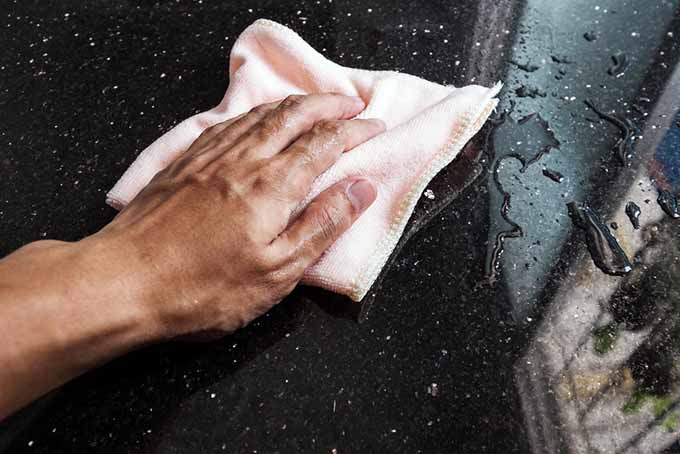
Гранитные элементы также легко чистить. При создании индивидуальных проектов обязательно выбирайте гранит, учитывая его превосходные качества.
СТАНДАРТЫ / ПРИМЕНЕНИЕ В УСЛОВИЯХ ВЫСОКОГО ИЗНОСА
Гранит, используемый компанией ZHHIMG для наших стандартных поверочных плит, имеет высокое содержание кварца, что обеспечивает повышенную износостойкость и защиту от повреждений. Наши плиты цвета «Превосходный черный» обладают низким коэффициентом водопоглощения, что минимизирует вероятность ржавления прецизионных измерительных приборов при установке на плиты. Цвета гранита, предлагаемые ZHHIMG, обеспечивают меньшее бликование, что снижает нагрузку на глаза пользователей плит. При выборе типов гранита мы учитывали термическое расширение, стремясь свести этот фактор к минимуму.
ИНДИВИДУАЛЬНЫЕ ПРИЛОЖЕНИЯ
Если для вашего применения требуется пластина с нестандартной формой, резьбовыми вставками, пазами или другими элементами, требующими механической обработки, вам следует выбрать такой материал, как черный цинанский черный. Этот натуральный материал обладает превосходной жесткостью, отличным гашением вибраций и улучшенной обрабатываемостью.
Важно отметить, что цвет сам по себе не является показателем физических свойств камня. В целом, цвет гранита напрямую связан с наличием или отсутствием минералов, что может не иметь отношения к качествам, необходимым для изготовления поверочных плит. Существуют розовые, серые и черные граниты, которые отлично подходят для поверочных плит, а также черные, серые и розовые граниты, которые совершенно непригодны для высокоточных работ. Критические характеристики гранита, касающиеся его использования в качестве материала для поверочных плит, не имеют ничего общего с цветом и заключаются в следующем:
■ Жесткость (прогиб под нагрузкой - определяется модулем упругости)
■ Твердость
■ Плотность
■ Износостойкость
■ Стабильность
■ Пористость
Мы протестировали множество гранитных материалов и сравнили их. В итоге мы пришли к выводу, что цинаньский черный гранит — лучший из всех известных нам материалов. Индийский черный гранит и южноафриканский гранит похожи на цинаньский черный гранит, но их физические свойства уступают ему. ZHHIMG продолжит поиски других гранитных материалов в мире и сравнение их физических свойств.
Чтобы подробнее обсудить, какой гранит лучше всего подойдет для вашего проекта, пожалуйста, свяжитесь с нами.info@zhhimg.com.
Разные производители используют разные стандарты. В мире существует множество стандартов.
В качестве основы для их технических характеристик используются стандарты DIN, ASME B89.3.7-2013 или федеральная спецификация GGG-P-463c (гранитные облицовочные плиты) и т.д.
Мы можем изготовить прецизионные гранитные контрольные плиты в соответствии с вашими требованиями. Обращайтесь к нам, если хотите узнать больше о стандартах.
Плоскостность можно определить как нахождение всех точек на поверхности внутри двух параллельных плоскостей: базовой плоскости и плоскости крыши. Расстояние между этими плоскостями определяет общую плоскостность поверхности. Это измерение плоскостности обычно имеет допуск и может включать обозначение класса.
Например, допуски на плоскостность для трех стандартных марок определены в федеральных спецификациях по следующей формуле:
■ Лабораторный класс AA = (40 + квадрат диагонали/25) x 0,000001" (односторонний)
■ Класс контроля A = Лабораторный класс AA x 2
■ Инструментальный цех, класс B = Лаборатория, класс AA, 4 шт.
Для поверочных плит стандартных размеров мы гарантируем допуски на плоскостность, превышающие требования данной спецификации. Помимо плоскостности, стандарты ASME B89.3.7-2013 и Федеральная спецификация GGG-P-463c рассматривают такие вопросы, как: точность повторных измерений, свойства материала гранита поверочных плит, качество поверхности, расположение опорных точек, жесткость, допустимые методы контроля, установка резьбовых вставок и т. д.
Гранитные поверочные плиты и гранитные контрольные плиты ZHHIMG соответствуют или превосходят все требования, изложенные в данной спецификации. В настоящее время не существует определяющей спецификации для гранитных угловых плит, параллельных профилей или эталонных угольников.
А формулы для других стандартов можно найти вСКАЧАТЬ.
Во-первых, важно содержать плиту в чистоте. Абразивная пыль, находящаяся в воздухе, обычно является основным источником износа плиты, поскольку она имеет тенденцию въедаться в обрабатываемые детали и контактные поверхности измерительных приборов. Во-вторых, накрывайте плиту, чтобы защитить ее от пыли и повреждений. Срок службы можно продлить, накрывая плиту, когда она не используется, периодически поворачивая ее, чтобы один участок не подвергался чрезмерному износу, и заменяя стальные контактные площадки на измерительных приборах на твердосплавные. Также избегайте ставить на плиту еду или безалкогольные напитки. Обратите внимание, что многие безалкогольные напитки содержат угольную или фосфорную кислоту, которая может растворять более мягкие минералы и оставлять небольшие ямки на поверхности.
Это зависит от того, как используется тарелка. По возможности мы рекомендуем чистить тарелку в начале дня (или рабочей смены) и снова в конце. Если тарелка загрязнилась, особенно маслянистыми или липкими жидкостями, ее следует, вероятно, очистить немедленно.
Регулярно очищайте пластину жидким чистящим средством или средством для очистки поверхностей ZHHIMG Waterless. Выбор чистящего раствора имеет важное значение. При использовании летучего растворителя (ацетона, растворителя для лака, спирта и т. д.) испарение охладит поверхность и деформирует ее. В этом случае необходимо дать пластине нормализоваться перед использованием, иначе возникнут погрешности измерений.
Время, необходимое для нормализации состояния пластины, будет варьироваться в зависимости от ее размера и степени охлаждения. Для небольших пластин достаточно часа. Для больших пластин может потребоваться два часа. Если используется чистящее средство на водной основе, также будет происходить некоторое испарительное охлаждение.
Пластина также будет удерживать воду, что может привести к ржавению металлических деталей, контактирующих с поверхностью. Некоторые чистящие средства также оставляют липкий осадок после высыхания, который будет притягивать пыль из воздуха и фактически увеличивать износ, а не уменьшать его.
Это зависит от интенсивности использования плиты и условий окружающей среды. Мы рекомендуем проводить полную перекалибровку новой плиты или прецизионного гранитного элемента в течение одного года с момента покупки. Если гранитная плита будет интенсивно использоваться, целесообразно сократить этот интервал до шести месяцев. Ежемесячная проверка на наличие повторяющихся погрешностей измерений с помощью электронного уровня или аналогичного устройства позволит выявить любые появляющиеся участки износа и займет всего несколько минут. После определения результатов первой перекалибровки интервал калибровки может быть увеличен или уменьшен в соответствии с вашей внутренней системой контроля качества.
Мы можем предложить услуги по проверке и калибровке вашей гранитной поверочной плиты.

Возможные причины различий между калибровками могут быть следующими:
- Перед калибровкой поверхность промывали горячим или холодным раствором, и ей не давали достаточно времени для нормализации.
- Пластина неправильно закреплена.
- Изменение температуры
- Черновики
- На поверхность тарелки должны попадать прямые солнечные лучи или другие источники лучистого тепла. Убедитесь, что верхнее освещение не нагревает поверхность.
- Изменения вертикального градиента температуры между зимой и летом (по возможности, необходимо знать вертикальный градиент температуры на момент проведения калибровки).
- Плате не дали достаточно времени для нормализации состояния после отправки.
- Неправильное использование контрольно-измерительного оборудования или использование некалиброванного оборудования.
- Изменение поверхности в результате износа
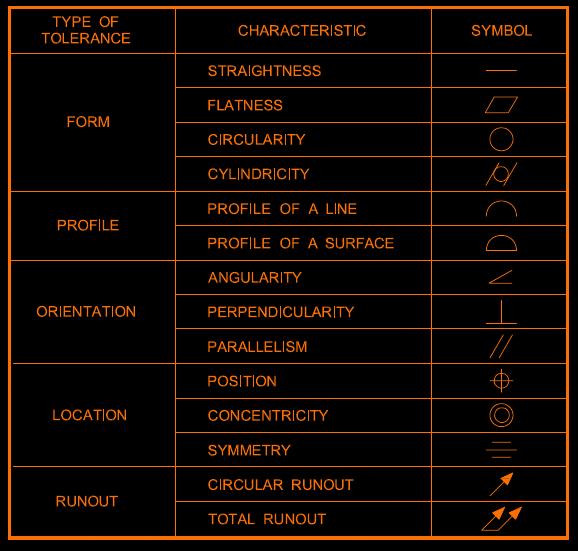
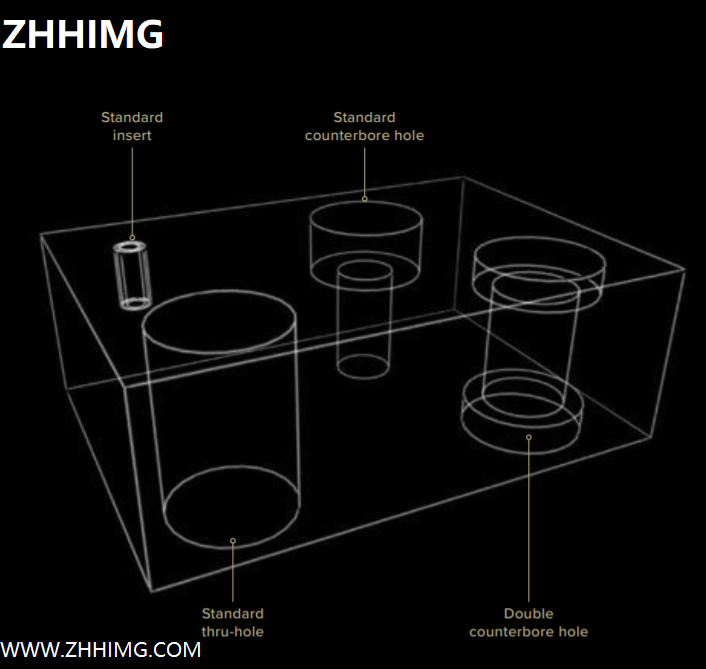
Сколько видов отверстий в прецизионном граните?
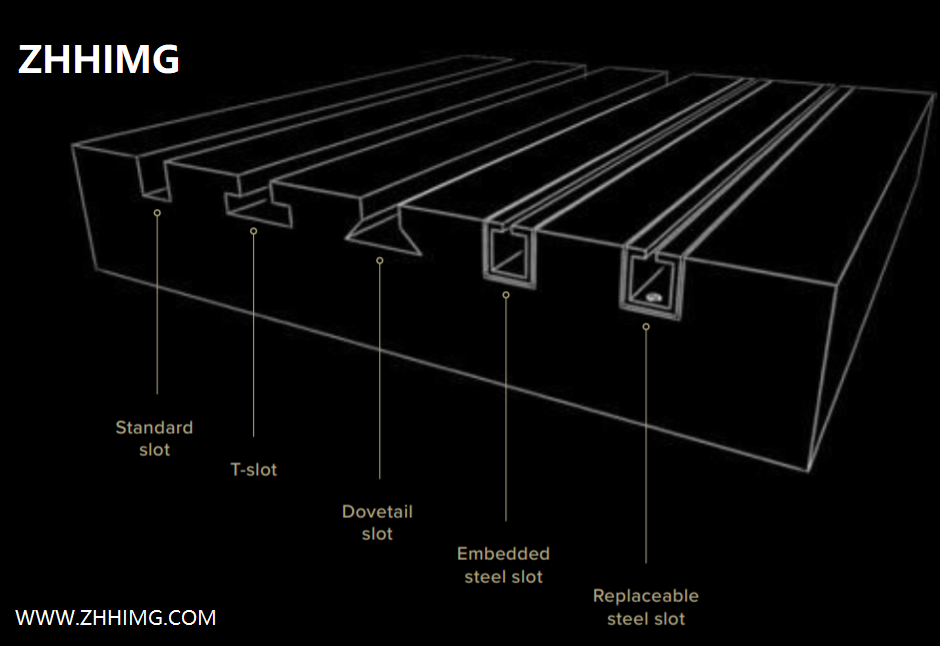
Пазы на прецизионных гранитных компонентах
Для многих заводов, контрольно-измерительных лабораторий и лабораторий прецизионные гранитные поверочные плиты являются основой для точных измерений. Поскольку каждое линейное измерение зависит от точной опорной поверхности, от которой отсчитываются окончательные размеры, поверочные плиты обеспечивают наилучшую опорную плоскость для контроля и разметки заготовок перед обработкой. Они также идеально подходят для измерения высоты и измерения поверхностей. Кроме того, высокая степень плоскостности, стабильность, общее качество и качество изготовления делают их хорошим выбором для установки сложных механических, электронных и оптических измерительных систем. Для любого из этих процессов измерения крайне важно поддерживать поверочные плиты в калиброванном состоянии.
Повторные измерения и плоскостность
Для обеспечения точности поверхности крайне важны как измерения плоскостности, так и повторяемости. Плоскостность можно определить как нахождение всех точек на поверхности в пределах двух параллельных плоскостей: базовой плоскости и плоскости крыши. Измерение расстояния между этими плоскостями определяет общую плоскостность поверхности. Это измерение плоскостности обычно имеет допуск и может включать обозначение класса.
Допуски на плоскостность для трех стандартных марок определены в федеральных спецификациях по следующей формуле:
Стандарты DIN, GB, ASME, JJS... в разных странах разные стандарты...
Более подробная информация о стандарте.
Помимо плоскостности, необходимо обеспечить повторяемость. Повторное измерение — это измерение локальных участков плоскостности. Это измерение, проводимое в любой точке поверхности пластины, которое будет повторяться в пределах заявленного допуска. Контроль плоскостности локального участка с более жестким допуском, чем контроль плоскостности всего образца, гарантирует постепенное изменение профиля плоскостности поверхности, тем самым минимизируя локальные ошибки.
Для обеспечения соответствия поверочных плит требованиям к плоскостности и повторяемости измерений производители гранитных поверочных плит должны использовать в качестве основы для своих спецификаций Федеральную спецификацию GGG-P-463c. Этот стандарт рассматривает точность повторяемости измерений, свойства материала гранита для поверочных плит, качество поверхности, расположение точек опоры, жесткость, допустимые методы контроля и установку резьбовых вставок.
Точность проверки пластины
Следуя нескольким простым рекомендациям, инвестиции в гранитную поверочную плиту должны окупиться за долгие годы. В зависимости от интенсивности использования плиты, условий цеха и требуемой точности, частота проверки точности поверочной плиты варьируется. Как правило, новую плиту следует полностью перекалибровать в течение года после покупки. Если плита используется часто, рекомендуется сократить этот интервал до шести месяцев.
Прежде чем поверочная плита износится до состояния, не соответствующего техническим требованиям к плоскостности, на ней появятся изношенные или волнистые выступы. Ежемесячная проверка на наличие ошибок повторных измерений с помощью измерительного прибора для повторных измерений позволит выявить места износа. Измерительный прибор для повторных измерений — это высокоточный инструмент, который обнаруживает локальные ошибки и может отображать показания на электронном усилителе с большим увеличением.
Эффективная программа контроля качества должна включать регулярные проверки с помощью автоколлиматора, обеспечивающего фактическую калибровку общей плоскостности с прослеживаемостью до Национального института стандартов и технологий (NIST). Периодически необходима комплексная калибровка производителем или независимой компанией.
Различия между калибровками
В некоторых случаях калибровка поверочных плит может различаться. Иногда эти расхождения могут быть вызваны такими факторами, как изменение поверхности в результате износа, неправильное использование контрольно-измерительного оборудования или использование некалиброванного оборудования. Однако наиболее распространенными факторами являются температура и тип опоры.
Одной из важнейших переменных является температура. Например, поверхность могла быть промыта горячим или холодным раствором перед калибровкой, и ей не дали достаточно времени для нормализации. Другие причины изменения температуры включают сквозняки холодного или горячего воздуха, прямые солнечные лучи, верхнее освещение или другие источники лучистого тепла на поверхности пластины.
Также могут наблюдаться колебания вертикального градиента температуры между зимой и летом. В некоторых случаях пластине не дают достаточно времени для нормализации после транспортировки. Рекомендуется зафиксировать вертикальный градиент температуры во время проведения калибровки.
Еще одной распространенной причиной отклонений в калибровке является неправильная опора плиты. Поверхностная плита должна быть закреплена в трех точках, в идеале расположенных на расстоянии 20% длины от концов плиты. Две опоры должны располагаться на расстоянии 20% ширины от длинных сторон, а оставшаяся опора должна быть центрирована.
Только три точки могут надёжно опираться на что-либо, кроме идеально ровной поверхности. Попытка закрепить плиту более чем в трёх точках приведёт к тому, что она будет опираться на различные комбинации этих трёх точек, которые не будут совпадать с теми тремя точками, на которых она опиралась во время производства. Это приведёт к ошибкам, поскольку плита будет деформироваться, чтобы соответствовать новой системе опор. Рекомендуется использовать стальные подставки с опорными балками, которые совпадут с соответствующими точками опоры. Подставки для этой цели обычно можно приобрести у производителя поверочных плит.
Если плита надежно закреплена, точное выравнивание необходимо только в том случае, если это требуется в соответствии с требованиями законодательства. Выравнивание не требуется для поддержания точности правильно закрепленной плиты.
Продление срока службы пластины
Соблюдение нескольких рекомендаций позволит уменьшить износ гранитной плиты и, в конечном итоге, продлить срок ее службы.
Во-первых, важно содержать плиту в чистоте. Абразивная пыль, находящаяся в воздухе, обычно является основным источником износа плиты, поскольку она имеет тенденцию оседать на заготовках и контактных поверхностях измерительных приборов.
Также важно накрывать пластины, чтобы защитить их от пыли и повреждений. Срок службы пластины можно продлить, накрывая ее, когда она не используется.
Периодически поворачивайте пластину, чтобы избежать чрезмерного износа одного участка. Также рекомендуется заменить стальные контактные площадки на измерительных приборах на твердосплавные.
Избегайте ставить еду или газированные напитки на тарелку. Многие газированные напитки содержат угольную или фосфорную кислоту, которые могут растворять более мягкие минералы и оставлять небольшие углубления на поверхности.
Где произойдет реверс
При необходимости шлифовки гранитной поверочной плиты следует решить, выполнять ли эту услугу на месте или в калибровочном центре. Всегда предпочтительнее шлифовать плиту на заводе или в специализированном центре. Однако, если износ плиты не слишком велик, как правило, в пределах 0,001 дюйма от требуемого допуска, шлифовку можно выполнить на месте. Если же износ плиты превышает 0,001 дюйма от допуска, или если на ней имеются сильные точечные повреждения или зазубрины, то перед шлифовкой ее следует отправить на завод для шлифовки.
В калибровочном центре имеется оборудование и заводские настройки, обеспечивающие оптимальные условия для правильной калибровки пластин и, при необходимости, их доработки.
Следует проявлять особую осторожность при выборе специалиста по калибровке и восстановлению поверхностей на месте. Необходимо запросить аккредитацию и убедиться, что используемое специалистом оборудование имеет прослеживаемую калибровку. Опыт также является важным фактором, поскольку для освоения правильной и точной шлифовки гранита требуются многие годы.
Тщательные измерения начинаются с прецизионной гранитной поверочной плиты, используемой в качестве базового ориентира. Обеспечивая надежную точку отсчета с помощью правильно откалиброванной поверочной плиты, производители получают один из важнейших инструментов для надежных измерений и повышения качества деталей.Q
Контрольный список для проверки калибровочных отклонений
1. Перед калибровкой поверхность промывали горячим или холодным раствором, и ей не давали достаточно времени для нормализации.
2. Пластина неправильно закреплена.
3. Изменение температуры.
4. Черновики.
5. Прямые солнечные лучи или другие источники лучистого тепла на поверхность тарелки. Убедитесь, что верхнее освещение не нагревает поверхность.
6. Изменения вертикального градиента температуры между зимой и летом. По возможности, необходимо знать вертикальный градиент температуры на момент проведения калибровки.
7. После отгрузки пластине не было предоставлено достаточно времени для нормализации.
8. Неправильное использование контрольно-измерительного оборудования или использование некалиброванного оборудования.
9. Изменение поверхности в результате износа.
Технические советы
- Поскольку каждое линейное измерение зависит от точной опорной поверхности, от которой отсчитываются окончательные размеры, поверочные плиты обеспечивают наилучшую опорную плоскость для контроля и разметки заготовки перед обработкой.
- Контроль плоскостности отдельных участков с более жестким допуском, чем контроль плоскостности всего изделия, гарантирует постепенное изменение профиля плоскостности поверхности, тем самым минимизируя локальные погрешности.
- Эффективная программа контроля должна включать регулярные проверки с помощью автоколлиматора, обеспечивающего фактическую калибровку общей плоскостности с прослеживаемостью до Национального инспекционного органа.
Среди минеральных частиц, составляющих гранит, более 90% составляют полевой шпат и кварц, причем полевой шпат занимает большую часть. Полевой шпат часто бывает белым, серым и телесно-красным, а кварц в основном бесцветный или серовато-белый, что и определяет основной цвет гранита. Полевой шпат и кварц — твердые минералы, их трудно перемещать стальным ножом. Что касается темных пятен в граните, то это в основном черная слюда, но встречаются и другие минералы. Хотя биотит относительно мягкий, его способность сопротивляться нагрузкам не слаба, и в то же время его содержание в граните невелико, часто менее 10%. Именно в таких условиях гранит обладает особой прочностью.
Еще одна причина прочности гранита заключается в том, что его минеральные частицы плотно связаны друг с другом и внедрены друг в друга. Поры часто составляют менее 1% от общего объема породы. Это позволяет граниту выдерживать сильное давление и нелегко проникать во влагу.
Гранитные компоненты изготавливаются из камня, не подверженного ржавчине, обладающего кислото- и щелочестойкостью, хорошей износостойкостью и длительным сроком службы, не требующего специального обслуживания. Гранитные прецизионные компоненты в основном используются в инструментальной оснастке машиностроительной промышленности. Поэтому их называют гранитными прецизионными компонентами или гранитными элементами. Характеристики гранитных прецизионных компонентов в основном такие же, как и у гранитных платформ. Введение в инструментальную оснастку и измерение гранитных прецизионных компонентов: Технология прецизионной обработки и микрообработки являются важными направлениями развития машиностроительной промышленности и стали важным показателем высокотехнологичного уровня. Развитие передовых технологий и оборонной промышленности неразрывно связано с технологией прецизионной обработки и микрообработки. Гранитные компоненты обеспечивают плавное скольжение при измерении без застревания. При измерении рабочей поверхности обычные царапины не влияют на точность измерения. Гранитные компоненты должны проектироваться и изготавливаться в соответствии с требованиями заказчика.
Область применения:
Как всем известно, все больше и больше машин и оборудования выбирают высокоточные гранитные компоненты.
Гранитные компоненты используются в системах динамического перемещения, линейных двигателях, КИМ, ЧПУ, лазерных станках и т.д.
Добро пожаловать, свяжитесь с нами для получения дополнительной информации.
Измерительные приборы и механические компоненты изготавливаются из высококачественного черного гранита Цзинань. Благодаря высокой точности, длительному сроку службы, хорошей стабильности и коррозионной стойкости, они все чаще используются в системах контроля качества продукции в современной промышленности и таких научных областях, как машиностроение, аэрокосмическая техника и научные исследования.
Преимущества
В два раза тверже чугуна;
— Минимальные изменения размеров обусловлены изменениями температуры;
----Без отжима, поэтому работа не прерывается;
Благодаря мелкозернистой структуре и незначительной прилипаемости, поверхность не имеет заусенцев и выступов, что обеспечивает высокую степень плоскостности в течение длительного срока службы и не повреждает другие детали или инструменты;
----Бесперебойная работа при использовании с магнитными материалами;
Долговечные и нержавеющие, что приводит к низким затратам на техническое обслуживание.
Гранитные поверочные плиты, изготовленные с высокой точностью, притираются до идеально ровной поверхности для достижения максимальной точности и используются в качестве основания для установки сложных механических, электронных и оптических измерительных систем.
Некоторые уникальные особенности гранитной плиты:
Однородность твердости;
Точные измерения в условиях нагрузки;
Вибропоглощающий материал;
Легко чистится;
Устойчивость к обертыванию;
Низкая пористость;
Неабразивный;
Немагнитный
Преимущества гранитных облицовочных плит
Во-первых, горная порода после длительного периода естественного старения приобретает однородную структуру, коэффициент деформаций минимален, внутренние напряжения полностью исчезают, порода не деформируется, поэтому точность измерений высока.
Во-вторых, не будет царапин, и даже при постоянной температуре, при комнатной температуре, точность измерения температуры сохранится.
Во-третьих, отсутствие намагничивания обеспечивает плавное движение при измерении, отсутствие скрипа, не подверженность влиянию влаги, плоскость зафиксирована.
В-четвертых, обладает хорошей жесткостью, высокой твердостью и высокой износостойкостью.
Пять преимуществ: не боится кислот, щелочей и эрозии, не ржавеет, не требует покраски маслом, не склонна к образованию липкой микропыли, проста в обслуживании, длительный срок службы.
Почему выбрали гранитное основание вместо чугунной станины станка?
1. Гранитное основание станка обеспечивает более высокую точность, чем чугунное. Чугунное основание легко подвержено воздействию температуры и влажности, в отличие от гранитного;
2. При одинаковых размерах гранитного и чугунного основания станка, гранитное основание более экономично, чем чугунное;
3. Специальное гранитное основание станка легче обрабатывать, чем чугунное.
Гранитные поверочные плиты являются ключевыми инструментами в контрольно-измерительных лабораториях по всей стране. Калиброванная, чрезвычайно ровная поверхность поверочной плиты позволяет инспекторам использовать ее в качестве базового образца для проверки деталей и калибровки приборов. Без стабильности, обеспечиваемой поверочными плитами, изготовление многих деталей с жесткими допусками в различных технологических и медицинских областях было бы гораздо сложнее, если не невозможно, правильно выполнить. Конечно, для использования гранитного поверочного блока для калибровки и проверки других материалов и инструментов необходимо оценить точность самого гранита. Пользователи могут откалибровать гранитную поверочную плиту, чтобы убедиться в ее точности.
Перед калибровкой очистите гранитную поверочную плиту. Нанесите небольшое количество средства для чистки поверочных плит на чистую мягкую ткань и протрите поверхность гранита. Немедленно вытрите чистящее средство с поверочной плиты сухой тканью. Не допускайте высыхания чистящей жидкости на воздухе.
Поместите измерительный шаблон в центр гранитной плиты.
Обнулите измерительный прибор для повторных измерений относительно поверхности гранитной плиты.
Медленно перемещайте измерительный прибор по поверхности гранита. Следите за индикатором и записывайте пики любых изменений высоты по мере перемещения прибора по плите.
Сравните разброс плоскостности по поверхности плиты с допусками для вашей поверочной плиты, которые зависят от размера плиты и степени плоскостности гранита. Обратитесь к федеральной спецификации GGG-P-463c (см. Ресурсы), чтобы определить, соответствует ли ваша плита требованиям к плоскостности для своего размера и класса. Разброс между самой высокой и самой низкой точками плиты является показателем плоскостности.
Убедитесь, что наибольшие перепады глубины на поверхности плиты соответствуют требованиям к повторяемости для плит такого размера и марки. Обратитесь к федеральной спецификации GGG-P-463c (см. Ресурсы), чтобы определить, соответствует ли ваша плита требованиям к повторяемости для своего размера. Забракуйте плиту, если хотя бы одна точка не соответствует требованиям к повторяемости.
Прекратите использовать гранитные облицовочные плиты, не соответствующие федеральным требованиям. Верните плиту производителю или компании, занимающейся облицовкой гранитом, для повторной полировки блока в соответствии со спецификациями.
Кончик
Проводите официальную калибровку не реже одного раза в год, хотя гранитные поверочные плиты, подвергающиеся интенсивной эксплуатации, следует калибровать чаще.
Формальная, регистрируемая калибровка в производственных или контрольно-измерительных условиях часто проводится отделом контроля качества или сторонним поставщиком калибровочных услуг, хотя любой может использовать измерительный прибор для неформальной проверки поверочной плиты перед использованием.
Ранняя история гранитных плит
До Второй мировой войны производители использовали стальные поверочные плиты для контроля размеров деталей. Во время Второй мировой войны потребность в стали резко возросла, и большое количество стальных поверочных плит было переплавлено. Потребовалась замена, и гранит стал предпочтительным материалом благодаря своим превосходным метрологическим свойствам.
Выявились некоторые преимущества гранита перед сталью. Гранит тверже, хотя и более хрупкий и подвержен сколам. Гранит можно шлифовать до гораздо большей плоскости и быстрее, чем сталь. Гранит также обладает желаемым свойством меньшего теплового расширения по сравнению со сталью. Кроме того, если стальная пластина нуждалась в ремонте, ее приходилось шлифовать вручную мастерами, которые также применяли свои навыки в восстановлении станков.
В качестве дополнительной информации следует отметить, что некоторые виды стальных поверочных плит используются и сегодня.
Метрологические свойства гранитных плит
Гранит — это магматическая порода, образованная в результате вулканических извержений. Для сравнения, мрамор — это метаморфизованный известняк. Для метрологических целей выбранный гранит должен соответствовать определенным требованиям, изложенным в Федеральной спецификации GGG-P-463c, далее именуемой Федеральными спецификациями, а именно, в части 3.1 3.1. В соответствии с Федеральными спецификациями, гранит должен иметь мелко- или среднезернистую текстуру.
Гранит — твердый материал, но его твердость варьируется по нескольким причинам. Опытный специалист по гранитным плитам может оценить твердость по цвету, который указывает на содержание кварца. Твердость гранита определяется, в частности, количеством кварца и отсутствием слюды. Красные и розовые граниты, как правило, самые твердые, серые — средней твердости, а черные — самые мягкие.
Модуль упругости Юнга используется для выражения гибкости или указания на твердость камня. Розовый гранит в среднем имеет показатель 3-5 баллов по шкале, серый — 5-7 баллов, а черный — 7-10 баллов. Чем меньше число, тем тверже гранит. Чем больше число, тем мягче и гибче гранит. Знание твердости гранита важно при выборе толщины, необходимой для соответствия допускам, а также для веса деталей и измерительных приборов, размещаемых на нем.
В былые времена, когда существовали настоящие механики, которых можно было узнать по брошюрам с тригонометрическими таблицами в карманах рубашек, черный гранит считался «лучшим». Лучшим считался тот тип гранита, который обладал наибольшей износостойкостью или был тверже. Одним из недостатков было то, что более твердые граниты склонны к сколам и повреждениям. Механики были настолько уверены в превосходстве черного гранита, что некоторые производители розового гранита красили его в черный цвет.
Я лично видел, как плиту уронили с погрузчика при перемещении со склада. Плита ударилась об пол и раскололась надвое, обнажив настоящий розовый цвет. Будьте осторожны, если планируете покупку черного гранита из Китая. Мы рекомендуем вам потратить деньги на что-то другое. Твердость гранитной плиты может варьироваться. Прослойка кварца может быть намного тверже, чем остальная часть поверхности. Слой черного габбро может сделать участок намного мягче. Хорошо обученные и опытные специалисты по ремонту гранитных плит знают, как работать с такими мягкими участками.
Классы опорных плит
Существует четыре класса поверочных плит: лабораторные AA и A, плиты класса B для контроля качества в помещении и плиты класса B для мастерских. Плиты классов AA и A имеют самую плоскую поверхность с допуском на плоскостность лучше 0,00001 дюйма для плит класса AA. Плиты класса B для мастерских наименее плоские и, как следует из названия, предназначены для использования в инструментальных цехах. В то время как плиты классов AA, A и B предназначены для использования в лабораториях контроля качества.
PПроверка калибровки поверочной плиты
Я всегда говорил своим клиентам, что могу вытащить любого 10-летнего ребенка из своей церкви и научить его за несколько дней, как проверять пластину. Это несложно. Для быстрого выполнения задачи требуется определенная техника, которую осваивают со временем и многократно повторяя. Хочу вас предупредить, и я не могу не подчеркнуть, что Fed Spec GGG-P-463c НЕ ЯВЛЯЕТСЯ процедурой калибровки! Подробнее об этом позже.
Согласно федеральным спецификациям, калибровка общей плоскостности (средней площади поверхности) и проверка повторяемости (локального износа) являются обязательными. Единственное исключение составляют небольшие пластины, где требуется только проверка повторяемости.
Кроме того, столь же важным, как и другие тесты, является тест на температурные градиенты. (См. Delta T ниже)
Рисунок 1
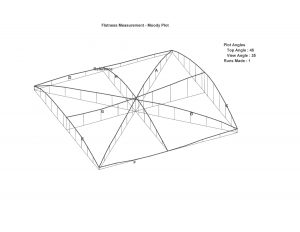
Для проверки плоскостности используются 4 утвержденных метода: электронные уровни, автоколлимация, лазер и устройство, известное как плоскостной локатор. Мы используем только электронные уровни, поскольку они являются наиболее точным и быстрым методом по нескольким причинам.
В лазерах и автоколлиматорах в качестве эталона используется очень прямой луч света. Измерение прямолинейности гранитной плиты производится путем сравнения изменения расстояния между плитой и лучом света. Если взять прямой луч света, направить его на отражающую мишень, перемещая при этом мишень вдоль плиты, то расстояние между испускаемым и возвращаемым лучами будет измерено как прямолинейность.
Вот в чем проблема этого метода. На мишень и источник влияют вибрация, температура окружающей среды, неровная или поцарапанная поверхность мишени, загрязнение воздуха и движение воздуха (потоки). Все это вносит дополнительные составляющие погрешности. Кроме того, вклад ошибки оператора при проверках с помощью автоколлиматора становится больше.
Опытный пользователь автоколлиматора может проводить очень точные измерения, но всё же сталкивается с проблемами согласованности показаний, особенно на больших расстояниях, поскольку отражения имеют тенденцию расширяться или слегка размываться. Кроме того, не совсем ровная мишень и долгий день наблюдения через объектив приводят к дополнительным ошибкам.
Устройство для определения плоскости образца — это просто нелепость. В качестве эталона это устройство использует относительно прямой (по сравнению с чрезвычайно прямым коллимированным или лазерным лучом). Мало того, что механическое устройство использует индикатор, обычно имеющий разрешение всего 20 мкм, так еще и неровность стержня и разнородные материалы значительно увеличивают погрешности измерений. На наш взгляд, хотя этот метод и приемлем, ни одна компетентная лаборатория никогда не будет использовать устройство для определения плоскости образца в качестве инструмента окончательной проверки.
Электронные нивелиры используют гравитацию в качестве эталона. Дифференциальные электронные нивелиры не подвержены влиянию вибрации. Они обладают разрешением всего 0,1 угловой секунды, измерения быстрые, точные, и погрешность, вносимая опытным оператором, минимальна. Ни плоскостные локаторы, ни автоколлиматоры не позволяют получать топографические (рис. 1) или изометрические (рис. 2) изображения поверхности с помощью компьютера.
Рисунок 2
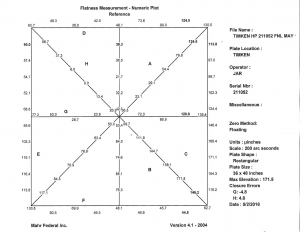
Надлежащая проверка плоскостности поверхности.
Проверка ровности поверхности является настолько важной частью этой работы, что мне следовало бы поместить её в начало. Как указывалось ранее, Федеральная спецификация GGG-p-463c НЕ является методом калибровки. Она служит руководством по многим аспектам метрологического гранита, целевым покупателем которого является любое федеральное правительственное агентство, включая методы испытаний, допуски и марки. Если подрядчик утверждает, что он придерживался Федеральных спецификаций, то значение ровности должно определяться методом Муди.
Муди — человек, живший ещё в 50-х годах, который разработал математический метод для определения общей плоскостности и учёта ориентации тестируемых линий, а именно, находятся ли они достаточно близко друг к другу в одной плоскости. С тех пор ничего не изменилось. Компания Allied Signal попыталась усовершенствовать математический метод, но пришла к выводу, что различия настолько малы, что это не стоит усилий.
Если подрядчик по облицовочным работам использует электронные нивелиры или лазер, он прибегает к помощи компьютера в вычислениях. Без компьютерной поддержки техник, использующий автоколлимацию, должен рассчитывать показания вручную. На самом деле это не так. Это занимает слишком много времени и, честно говоря, может быть слишком сложной задачей. При проверке плоскостности по методу Муди техник проверяет прямолинейность восьми линий, расположенных в форме британского флага.
Метод Муди
Метод Муди — это математический способ определить, лежат ли восемь линий в одной плоскости. В противном случае у вас просто 8 прямых линий, которые могут находиться или не находиться в одной плоскости. Кроме того, подрядчик, заявляющий о соблюдении федеральных спецификаций и использующий автоколлимацию,долженСгенерировать восемь страниц данных. По одной странице на каждую проверенную линию, чтобы подтвердить результаты испытаний, ремонта или и того, и другого. В противном случае подрядчик не будет иметь представления о реальном значении ровности.
Уверен, если вы относитесь к тем, кто заказывает калибровку своих тарелок у подрядчика с использованием автоколлимации, вы никогда не видели этих страниц! На рисунке 3 представлен пример.всего одинДля вычисления общей ровности необходимо восемь страниц расчетов. Одним из признаков такого невежества и злонамеренности является наличие в отчете округленных чисел. Например, 200, 400, 650 и т. д. Правильно вычисленное значение — это действительное число. Например, 325,4 мкм. Если подрядчик использует метод Муди, а техник вычисляет значения вручную, вы должны получить восемь страниц расчетов и изометрический график. Изометрический график показывает изменение высоты вдоль различных линий и расстояние между выбранными точками пересечения.
Рисунок 3(Для ручного расчета плоскостности требуется восемь страниц подобного рода. Обязательно уточните, почему вы не получаете этот результат, если ваш подрядчик использует автоматическую коллимацию!)
Рисунок 4
Специалисты по измерительным приборам используют дифференциальные уровни (рис. 4) в качестве предпочтительных устройств для измерения мельчайших изменений углового отклонения от измерительной станции к станции. Уровни имеют разрешение до 0,1 угловой секунды (5 мкм при использовании 4-дюймовых салазок), отличаются исключительной стабильностью, не подвержены влиянию вибрации, измеряемых расстояний, воздушных потоков, усталости оператора, загрязнения воздуха или любым другим проблемам, присущим другим устройствам. Добавление компьютерной поддержки делает задачу относительно быстрой, генерируя топографические и изометрические графики, подтверждающие проверку и, что наиболее важно, ремонт.
Надлежащий тест на воспроизводимость.
Повторяемость показаний — это наиболее важный тест. Для проведения теста на повторяемость мы используем следующее оборудование: приспособление для повторного считывания, линейный датчик перемещения (LVDT) и усилитель, необходимый для получения показаний с высоким разрешением. Мы устанавливаем минимальное разрешение усилителя LVDT на 10 мкм или 5 мкм для высокоточных пластин.
Использование механического индикатора с разрешением всего 20 мкм бесполезно, если вы пытаетесь проверить повторяемость измерений на уровне 35 мкм. Индикаторы имеют погрешность в 40 мкм! Схема повторного считывания имитирует конфигурацию высотомера/детали.
Повторяемость НЕ тождественна общей плоскостности (средней плоскости). Я предпочитаю рассматривать повторяемость в граните как постоянное измерение радиуса.
Рисунок 5
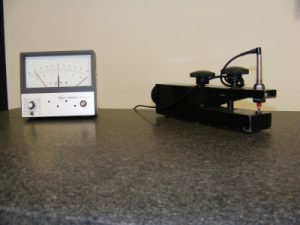
Если вы проверяете повторяемость круглых шариков, то вы демонстрируете, что радиус шарика не изменился. (Идеальный профиль правильно отремонтированной пластины имеет выпуклую, корончатую форму.) Однако очевидно, что шарик не плоский. Ну, почти. На очень малом расстоянии он плоский. Поскольку большая часть контрольной работы включает в себя использование высотомера, расположенного очень близко к детали, повторяемость становится наиболее важным свойством гранитной пластины. Она важнее общей плоскостности, если только пользователь не проверяет прямолинейность длинной детали.
Убедитесь, что ваш подрядчик проведет повторное измерение. Пластина может иметь показания, значительно выходящие за пределы допустимых отклонений, но при этом пройти проверку на плоскостность! Удивительно, но лаборатория может получить аккредитацию по испытаниям, которые не включают повторное измерение. Лаборатория, которая не может или не очень хорошо ремонтирует, предпочитает проводить только проверку на плоскостность. Плоскостность редко меняется, если не перемещать пластину.
Повторное измерение — самый простой способ проверки, но самый сложный при наплавке. Убедитесь, что ваш подрядчик сможет восстановить повторяемость без образования вогнутостей или неровностей на поверхности.
Тест Дельта Т
Этот тест включает в себя измерение ФАКТИЧЕСКОЙ температуры камня на его верхней и нижней поверхностях и вычисление разницы, дельта-Т, для указания в сертификате.
Важно знать, что средний коэффициент теплового расширения гранита составляет 3,5 мкИнд/дюйм/градус. Влияние температуры окружающей среды и влажности на гранитную плиту незначительно. Однако поверхность плиты может выйти за пределы допустимых отклонений или даже улучшиться, даже если разница температур составляет 0,3–0,5 градуса по Фаренгейту. Необходимо знать, находится ли разница температур в пределах 0,12 градуса по Фаренгейту от значения, полученного при последней калибровке.
Важно также знать, что рабочая поверхность плиты нагревается. Если температура верхней поверхности выше нижней, то верхняя поверхность поднимается. Если же температура нижней поверхности выше, что случается редко, то верхняя поверхность опускается. Менеджеру по качеству или технику недостаточно знать, что плита плоская и обеспечивает воспроизводимые результаты во время калибровки или ремонта, необходимо знать разницу температур (Delta T) на момент окончательной калибровки. В критических ситуациях пользователь может самостоятельно измерить Delta T и определить, вышла ли плита за пределы допустимых значений исключительно из-за колебаний Delta T. К счастью, граниту требуется много часов или даже дней для акклиматизации к окружающей среде. Незначительные колебания температуры окружающей среды в течение дня не повлияют на него. По этим причинам мы не указываем температуру окружающей среды или влажность при калибровке, поскольку их влияние незначительно.
Гранитные тарелки
Хотя гранит тверже стальных пластин, на его поверхности все же образуются неровности. Основной причиной износа является повторяющееся перемещение деталей и измерительных приборов по поверочной плите, особенно если одна и та же область постоянно используется. Грязь и шлифовальная пыль, остающиеся на поверхности плиты, ускоряют процесс износа, поскольку они попадают между деталями или измерительными приборами и гранитной поверхностью. При перемещении деталей и измерительных приборов по ее поверхности абразивная пыль обычно является причиной дополнительного износа. Я настоятельно рекомендую постоянную очистку для уменьшения износа. Мы наблюдали износ плит, вызванный ежедневными доставками посылок UPS, которые клали на плиты! Эти локальные участки износа влияют на показания теста на повторяемость калибровки. Избегайте износа, регулярно проводя очистку.
Очистка гранитных плит
Чтобы поддерживать чистоту площадки, используйте липкую ткань для удаления грязи. Нажимайте очень легко, чтобы не осталось следов клея. Хорошо использованная липкая ткань отлично собирает пыль от шлифовки между чистками. Не работайте на одном и том же месте. Перемещайте установку по площадке, равномерно распределяя износ. Можно использовать спирт для очистки площадки, но имейте в виду, что это временно переохладит поверхность. Вода с небольшим количеством мыла отлично подходит. Коммерческие чистящие средства, такие как Starrett's, также отлично подходят, но убедитесь, что вы удалили все остатки мыла с поверхности.
Ремонт гранитной плиты
К настоящему моменту должно быть очевидно, насколько важно убедиться, что ваш подрядчик по ремонту поверочных плит выполняет компетентную калибровку. Лаборатории типа «клиринговых центров», предлагающие программы «сделай все за один звонок», редко имеют специалиста, способного выполнить ремонт. Даже если они предлагают ремонт, у них не всегда есть специалист, обладающий необходимым опытом, когда поверочная плита значительно выходит за пределы допустимых отклонений.
Если вам сказали, что пластина не подлежит ремонту из-за сильного износа, позвоните нам. Скорее всего, мы сможем её отремонтировать.
Наши специалисты проходят обучение в течение одного-полутора лет под руководством опытного мастера по ремонту поверочных плит. Мастером по ремонту поверочных плит считается тот, кто завершил обучение и имеет более десяти лет опыта в калибровке и ремонте поверочных плит. В компании Dimensional Gauge работают три мастера-техника с общим опытом работы более 60 лет. Один из наших мастеров-техников всегда готов оказать поддержку и дать рекомендации в сложных ситуациях. Все наши специалисты имеют опыт калибровки поверочных плит всех размеров, от малых до очень больших, в различных условиях окружающей среды, в разных отраслях промышленности и при серьезных проблемах износа.
В соответствии с федеральными стандартами, к качеству обработки поверхности предъявляются особые требования: средняя арифметическая шероховатость (AA) должна составлять от 16 до 64. Мы предпочитаем качество обработки в диапазоне 30-35 AA. Этого достаточно, чтобы детали и измерительные приборы плавно перемещались и не прилипали к поверхности плиты.
При ремонте мы проверяем правильность крепления и ровность пластины. Мы используем метод сухой притирки, но в случаях сильного износа, требующего значительного удаления гранита, применяем влажную притирку. Наши специалисты убирают за собой, они работают тщательно, быстро и точно. Это важно, поскольку стоимость ремонта гранитных пластин включает в себя время простоя и потери производства. Компетентный ремонт имеет первостепенное значение, и вы никогда не должны выбирать подрядчика, ориентируясь на цену или удобство. Некоторые виды калибровочных работ требуют высококвалифицированных специалистов. У нас такие есть.
Итоговые отчеты о калибровке
Для каждого ремонта и калибровки поверочной плиты мы предоставляем подробные профессиональные отчеты. Наши отчеты содержат значительный объем как критически важной, так и необходимой информации. Большая часть предоставленной нами информации соответствует требованиям Федеральных стандартов. За исключением информации, содержащейся в других стандартах качества, таких как ISO/IEC-17025, минимальные требования Федеральных стандартов к отчетам следующие:
- Размеры в футах (X' x X')
- Цвет
- Стиль (относится к отсутствию выступов для зажимов или к наличию двух или четырех выступов)
- Расчетный модуль упругости
- Допуск средней плоскости (определяется сортом/размером)
- Допустимое отклонение при повторном считывании (определяется длиной диагонали в дюймах)
- Средняя плоскость в исходном состоянии
- Средняя плоскость слева
- Повторите чтение, как найдено.
- Повторите чтение слева направо.
- Дельта Т (разница температур между верхней и нижней поверхностями)
Если технику необходимо выполнить притирку или ремонт поверочной плиты, то к сертификату калибровки прилагается топографическая или изометрическая схема, подтверждающая правильность выполненного ремонта.
Несколько слов об аккредитации ISO/IEC-17025 и лабораториях, имеющих такую аккредитацию.
Наличие аккредитации лаборатории по калибровке поверочных плит вовсе не означает, что она знает свое дело, а тем более, что делает его правильно! Это также не означает, что лаборатория умеет ремонтировать. Аккредитующие органы не делают различий между проверкой и калибровкой (ремонтом).AИ я знаю об одном, может быть.2аккредитационные органы, которые будутLгалстукAЕсли бы я заплатил им достаточно денег, я бы надел на собаку ленточку! Это печальный факт. Я видел, как лаборатории получали аккредитацию, выполняя только один из трех необходимых тестов. Более того, я видел, как лаборатории получали аккредитацию с нереалистичными погрешностями и получали ее без каких-либо доказательств или демонстрации того, как они рассчитывали значения. Все это очень печально.
Суммирование
Нельзя недооценивать роль прецизионных гранитных плит. Плоская опорная поверхность, которую обеспечивают гранитные плиты, является основой, на которой производятся все остальные измерения.
Вы можете использовать самые современные, точные и универсальные измерительные приборы. Однако точные измерения трудно получить, если опорная поверхность неровная. Однажды потенциальный клиент сказал мне: «Ну, это же просто камень!» Мой ответ: «Хорошо, вы правы, и вы определенно не можете оправдать приезд специалистов для обслуживания ваших поверочных плит».
Цена никогда не является веской причиной для выбора подрядчиков по облицовочным плитам. Покупатели, бухгалтеры и тревожно большое количество инженеров по контролю качества не всегда понимают, что повторная сертификация гранитных плит — это не то же самое, что повторная сертификация микрометра, штангенциркуля или цифрового мультиметра.
Для некоторых приборов требуется не низкая цена, а экспертная квалификация. Тем не менее, наши цены очень разумны. Особенно учитывая уверенность в качестве выполняемой работы. Мы значительно превосходим требования ISO-17025 и федеральных стандартов по добавленной стоимости.
Поворотные плиты являются основой для многих измерений размеров, и правильный уход за ними необходим для обеспечения точности измерений.
Гранит является наиболее популярным материалом для облицовочных плит благодаря своим идеальным физическим характеристикам, таким как твердость поверхности и низкая чувствительность к колебаниям температуры. Однако при длительной эксплуатации облицовочные плиты подвергаются износу.
Плоскостность и повторяемость являются критически важными аспектами для определения того, обеспечивает ли плита точную поверхность для получения достоверных измерений. Допуски по обоим параметрам определены в соответствии с Федеральной спецификацией GGG-P-463C, DIN, GB, JJS... Плоскостность — это измерение расстояния между самой высокой точкой (плоскостью крыши) и самой низкой точкой (плоскостью основания) на плите. Повторяемость определяет, может ли измерение, проведенное в одной области, быть повторено по всей плите в пределах указанного допуска. Это гарантирует отсутствие пиков или впадин на плите. Если показания не соответствуют установленным нормам, может потребоваться шлифовка поверхности для приведения измерений в соответствие со спецификацией.
Регулярная калибровка поверочных плит необходима для обеспечения плоскостности и повторяемости результатов во времени. Группа прецизионных измерений компании Cross имеет аккредитацию ISO 17025 по калибровке плоскостности и повторяемости поверочных плит. Мы используем систему сертификации поверочных плит Mahr, включающую в себя:
- Анализ настроения и профиля
- Изометрические или числовые графики.
- Усреднение за несколько серий и
- Автоматическая сортировка в соответствии с отраслевыми стандартами.
Система компьютерного моделирования Mahr позволяет определять любые угловые или линейные отклонения от абсолютного уровня и идеально подходит для высокоточной профилировки поверхностных плит.
Интервалы между калибровками будут варьироваться в зависимости от частоты использования, условий окружающей среды, в которых находится плита, и конкретных требований к качеству вашей компании. Правильное обслуживание поверочной плиты может позволить увеличить интервалы между калибровками, избежать дополнительных затрат на повторную притирку и, что наиболее важно, обеспечить максимально точные измерения, полученные на плите. Хотя поверочные плиты кажутся прочными, это прецизионные инструменты, и к ним следует относиться соответствующим образом. Вот несколько моментов, которые следует учитывать при уходе за поверочными плитами:
- Держите тарелку в чистоте и, по возможности, накрывайте ее, когда она не используется.
- На пластину нельзя класть ничего, кроме измерительных приборов или деталей, подлежащих измерению.
- Не используйте одно и то же место на тарелке каждый раз.
- По возможности периодически поворачивайте пластину.
- Соблюдайте допустимую нагрузку на вашу пластину.
Высокоточная гранитная основа может повысить производительность станков.
В машиностроении в целом и в станкостроении в частности постоянно растут требования. Достижение максимальной точности и производительности без увеличения затрат является постоянной задачей для обеспечения конкурентоспособности. Решающим фактором здесь является станина станка. Поэтому все больше производителей станков полагаются на гранит. Благодаря своим физическим параметрам он обладает явными преимуществами, недостижимыми при использовании стали или полимерного бетона.
Гранит — это так называемая вулканическая глубинная порода, обладающая очень плотной и однородной структурой с чрезвычайно низким коэффициентом теплового расширения, низкой теплопроводностью и высоким демпфированием вибраций.
Ниже вы узнаете, почему распространенное мнение о том, что гранит подходит в основном только в качестве основания для высокоточных координатно-измерительных машин, давно устарело, и почему этот природный материал в качестве основания для станков является очень выгодной альтернативой стали или чугуну даже для высокоточных станков.
Мы можем изготавливать гранитные компоненты для динамических движений, гранитные компоненты для линейных двигателей, гранитные компоненты для неразрушающего контроля, гранитные компоненты для рентгеновского оборудования, гранитные компоненты для координатно-измерительных машин, гранитные компоненты для станков с ЧПУ, гранитные прецизионные компоненты для лазерной обработки, гранитные компоненты для аэрокосмической отрасли, гранитные компоненты для прецизионных столов...
Высокая добавленная стоимость без дополнительных затрат.
Увеличение использования гранита в машиностроении объясняется не столько резким ростом цен на сталь, сколько тем, что добавленная стоимость станка, достигаемая за счет использования гранитной станины, может быть получена с минимальными или нулевыми дополнительными затратами. Это подтверждают сравнительные анализы цен известных производителей станков в Германии и Европе.
Значительное повышение термодинамической стабильности, гашения вибраций и долговременной точности, достигаемое благодаря использованию гранита, невозможно при использовании чугунной или стальной основы, или же это сопряжено с относительно высокими затратами. Например, тепловые погрешности могут составлять до 75% от общей погрешности станка, и часто предпринимаются попытки их компенсации с помощью программного обеспечения – с умеренным успехом. Благодаря низкой теплопроводности гранит является лучшим основанием для обеспечения долговременной точности.
Гранит с допуском в 1 мкм легко соответствует требованиям к плоскостности согласно DIN 876 для степени точности 00. Обладая твердостью 6 по шкале от 1 до 10, он чрезвычайно тверд, а его удельный вес 2,8 г/см³ почти достигает значения алюминия. Это также обеспечивает дополнительные преимущества, такие как более высокие скорости подачи, более высокие ускорения осей и увеличение срока службы инструмента для режущих станков. Таким образом, переход от литой станины к гранитной выводит рассматриваемый станок в высококлассный класс по точности и производительности – без дополнительных затрат.
Улучшение экологического следа компании Granite
В отличие от таких материалов, как сталь или чугун, природный камень не требует больших затрат энергии и использования добавок. Для добычи и обработки поверхности требуется лишь относительно небольшое количество энергии. Это приводит к значительному снижению экологического следа, который даже по окончании срока службы оборудования превосходит аналогичный показатель для стали. Гранитный пласт может стать основой для новой машины или использоваться для совершенно других целей, например, для измельчения при строительстве дорог.
Также нет недостатка в ресурсах гранита. Это горная порода, образованная из магмы в земной коре. Она «созревала» миллионы лет и в очень больших количествах доступна в качестве природного ресурса почти на всех континентах, включая всю Европу.
Заключение: Многочисленные очевидные преимущества гранита по сравнению со сталью или чугуном оправдывают растущую готовность инженеров-механиков использовать этот природный материал в качестве основы для высокоточных и высокопроизводительных станков. Подробная информация о свойствах гранита, которые являются преимуществом для станков и машиностроения, представлена в этой статье.
Повторное измерение — это измерение локальных участков плоскостности. Спецификация «Повторное измерение» гласит, что измерение, проведенное в любой точке поверхности пластины, будет повторяться в пределах указанного допуска. Более точный контроль плоскостности локальной области, чем общей плоскостности, гарантирует постепенное изменение профиля плоскостности поверхности, тем самым минимизируя локальные погрешности.
Большинство производителей, включая импортные бренды, придерживаются федеральных требований к допускам на общую плоскостность, но многие упускают из виду повторяющиеся измерения. Многие недорогие или бюджетные плиты, доступные сегодня на рынке, не гарантируют повторяющиеся измерения. Производитель, который не гарантирует повторяющиеся измерения, НЕ производит плиты, соответствующие требованиям ASME B89.3.7-2013, федеральной спецификации GGG-P-463c, DIN 876, GB, JJS...
Оба параметра имеют решающее значение для обеспечения точности поверхности при проведении точных измерений. Одной лишь спецификации плоскостности недостаточно для гарантии точности измерений. В качестве примера рассмотрим поверочную плиту класса А размером 36 x 48 дюймов, которая соответствует ТОЛЬКО спецификации плоскостности 0,000300 дюйма. Если проверяемая деталь перекрывает несколько вершин, а используемый измерительный прибор находится в низкой точке, погрешность измерения может составлять весь допуск в одной области, 0,000300 дюйма! На самом деле, она может быть намного выше, если измерительный прибор находится на склоне.
Возможны погрешности в пределах 0,000600–0,000800 дюймов в зависимости от крутизны уклона и длины используемого измерительного рычага. Если бы для этой пластины была указана погрешность повторных измерений 0,000050 дюймов, то погрешность измерения была бы меньше 0,000050 дюймов независимо от места измерения на пластине. Другая проблема, которая обычно возникает, когда неподготовленный техник пытается восстановить поверхность пластины на месте, — это использование одних только повторных измерений для сертификации пластины.
Приборы, используемые для проверки повторяемости, НЕ предназначены для проверки общей плоскостности. При установке на ноль на идеально изогнутой поверхности они будут продолжать показывать ноль, независимо от того, является ли эта поверхность идеально плоской, идеально вогнутой или выпуклой на 1/2 дюйма! Они проверяют лишь однородность поверхности, а не плоскостность. Только пластина, отвечающая как требованиям к плоскостности, так и требованиям к повторяемости измерений, действительно соответствует требованиям ASME B89.3.7-2013 или федеральной спецификации GGG-P-463c.
Ask us about or flatness specification and repeat measurement promise by calling +86 19969991659 or emailing INFO@ZHHIMG.COM
Да, но их точность может быть гарантирована только при определенном вертикальном градиенте температуры. Влияние теплового расширения на пластину может легко привести к изменению точности, превышающему допуск, если изменится градиент. В некоторых случаях, если допуск достаточно жесткий, тепло, поглощаемое верхним освещением, может вызвать достаточно сильное изменение градиента в течение нескольких часов.
Гранит имеет коэффициент теплового расширения приблизительно 0,0000035 дюйма на дюйм на 1°F. Например: поверочная плита размером 36" x 48" x 8" имеет точность 0,000075" (1/2 от класса AA) при градиенте 0°F, когда верхняя и нижняя стороны имеют одинаковую температуру. Если верхняя сторона плиты нагреется до такой степени, что будет на 1°F теплее нижней, точность изменится до 0,000275" выпуклой поверхности! Поэтому заказывать плиту с допуском жестче, чем лабораторный класс AA, следует только при наличии надлежащего климат-контроля.
Вертикальная плита должна быть закреплена в 3 точках, в идеале расположенных на расстоянии 20% длины от концов плиты. Две опоры должны располагаться на расстоянии 20% ширины от длинных сторон, а оставшаяся опора должна быть центрирована. Только 3 точки могут прочно опираться на что-либо, кроме идеально ровной поверхности.
В процессе производства пластина должна поддерживаться в этих точках, а во время эксплуатации — только в этих трех точках. Попытка поддерживать пластину более чем в трех точках приведет к тому, что она будет получать поддержку от различных комбинаций из трех точек, которые не будут совпадать с тремя точками, на которых она поддерживалась во время производства. Это приведет к ошибкам, поскольку пластина будет деформироваться, чтобы соответствовать новой схеме поддержки. Все стальные стенды zhhimg имеют опорные балки, спроектированные таким образом, чтобы совпадать с соответствующими точками опоры.
Если плита надежно закреплена, точное выравнивание необходимо только в том случае, если этого требует ваше применение. Выравнивание не требуется для поддержания точности правильно закрепленной плиты.
Почему стоит выбрать гранит?Основания машиниМетрологические компоненты?
Ответ — «да» практически для любого применения. Преимущества гранита включают: отсутствие ржавчины и коррозии, практически полную невосприимчивость к деформации, отсутствие компенсаторных выступов при зазубринах, более длительный срок службы, более плавную работу, большую точность, практически полное отсутствие магнитных свойств, низкий коэффициент теплового расширения и низкие затраты на техническое обслуживание.
Гранит — это разновидность магматической породы, добываемой благодаря своей исключительной прочности, плотности, долговечности и устойчивости к коррозии. Но гранит также очень универсален — он подходит не только для квадратных и прямоугольных форм! На самом деле, компания Starrett Tru-Stone регулярно и с уверенностью работает с гранитными элементами, изготовленными по различным формам, углам и изгибам, — и добивается превосходных результатов.
Благодаря современным технологиям обработки, срезанные поверхности получаются исключительно ровными. Эти качества делают гранит идеальным материалом для создания нестандартных размеров и конструкций оснований машин и метрологических компонентов. Гранит:
машинообрабатываемый
идеально ровная поверхность после резки и обработки.
устойчивый к ржавчине
прочный
долгоиграющий
Гранитные элементы также легко чистить. При создании индивидуальных проектов обязательно выбирайте гранит, учитывая его превосходные качества.
СТАНДАРТЫ/ Применение в условиях высокой износостойкости
Гранит, используемый компанией ZhongHui для наших стандартных поверочных плит, имеет высокое содержание кварца, что обеспечивает повышенную износостойкость и защиту от повреждений. Наши цвета Superior Black и Crystal Pink обладают низким коэффициентом водопоглощения, что минимизирует вероятность ржавления ваших прецизионных измерительных приборов при установке на плиты. Цвета гранита, предлагаемые ZhongHui, обеспечивают меньшее бликование, что снижает нагрузку на глаза при работе с плитами. Мы выбираем типы гранита, учитывая термическое расширение, чтобы свести этот фактор к минимуму.
ИНДИВИДУАЛЬНЫЕ ПРИЛОЖЕНИЯ
Если для вашего применения требуется пластина с нестандартной формой, резьбовыми вставками, пазами или другими элементами, требующими механической обработки, вам следует выбрать такой материал, как черный диабаз. Этот натуральный материал обладает превосходной жесткостью, отличным гашением вибраций и улучшенной обрабатываемостью.
Да, если износ не слишком сильный. Наши заводские настройки и оборудование позволяют создать оптимальные условия для правильной калибровки пластин и, при необходимости, их доработки. Как правило, если пластина отклоняется от требуемого допуска не более чем на 0,001 дюйма, ее можно отшлифовать на месте. Если же пластина изношена настолько, что отклонение превышает 0,001 дюйма, или если на ней имеются сильные точечные повреждения или зазубрины, то ее необходимо отправить на завод для шлифовки перед повторной притиркой.
Следует проявлять особую осторожность при выборе специалиста по калибровке и шлифовке на месте. Мы настоятельно рекомендуем вам тщательно выбирать компанию по калибровке. Запросите аккредитацию и убедитесь, что используемое специалистом оборудование имеет калибровку, подтвержденную Национальным институтом инспекции. Чтобы научиться правильно шлифовать гранит с высокой точностью, требуются многие годы обучения.
Компания ZhongHui обеспечивает быструю калибровку, выполняемую на нашем заводе. По возможности, отправьте свои плиты на калибровку. От точности ваших измерительных приборов, включая поверочные плиты, зависят качество и репутация!
Наши черные облицовочные плиты обладают значительно большей плотностью и в три раза большей жесткостью. Поэтому плита из черного материала не обязательно должна быть такой же толщины, как гранитная плита того же размера, чтобы обладать равной или большей устойчивостью к деформации. Уменьшенная толщина означает меньший вес и более низкие затраты на доставку.
Остерегайтесь тех, кто использует черный гранит более низкого качества той же толщины. Как указано выше, свойства гранита, как и древесины или металла, различаются в зависимости от материала и цвета и не являются точным показателем жесткости, твердости или износостойкости. На самом деле, многие виды черного гранита и диабаза очень мягкие и не подходят для применения в качестве облицовочных плит.
Нет. Для ремонта этих изделий требуется специализированное оборудование и обучение, поэтому их необходимо отправить на завод для калибровки и ремонта.
Да. Керамика и гранит имеют схожие характеристики, и методы, используемые для калибровки и притирки гранита, можно применять и к керамическим изделиям. Керамику сложнее притирать, чем гранит, что приводит к более высокой стоимости.
Да, при условии, что вставки утоплены ниже поверхности. Если стальные вставки находятся на одном уровне с поверхностью или выше нее, перед притиркой пластины их необходимо обработать точечным способом, вернув на нее шероховатость. При необходимости мы можем предоставить эту услугу.
Да. Стальные вставки с нужной резьбой (английской или метрической) могут быть приклеены эпоксидной смолой к пластине в необходимых местах. Компания ZhongHui использует станки с ЧПУ для обеспечения максимально точной установки вставок с допуском +/- 0,005 дюйма. Для менее требовательных вставок наш допуск на установку резьбовых вставок составляет ±0,060 дюйма. Другие варианты включают стальные Т-образные профили и пазы типа «ласточкин хвост», выточенные непосредственно в граните.
Правильно приклеенные высокопрочным эпоксидным клеем и качественно выполненные вставки выдерживают значительные крутящие и сдвиговые нагрузки. В недавнем испытании, проведенном независимой испытательной лабораторией с использованием резьбовых вставок 3/8"-16, была измерена сила, необходимая для отрыва приклеенной эпоксидным клеем вставки от поверочной плиты. Было протестировано десять плит. В девяти случаях из этих десяти гранит разрушался первым. Средняя нагрузка в точке разрушения составила 10 020 фунтов для серого гранита и 12 310 фунтов для черного. В единственном случае, когда вставка оторвалась от плиты, нагрузка в точке разрушения составила 12 990 фунтов! Если заготовка образует перемычку через вставку и прикладывается экстремальный крутящий момент, можно создать достаточную силу для разрушения гранита. Частично по этой причине компания ZhongHui приводит рекомендации по максимальному безопасному крутящему моменту, который можно приложить к приклеенным эпоксидным клеем вставкам: https://www.zhhimg.com/standard-thread-inserts-product/
Да, но только на нашем заводе. На нашем предприятии мы можем восстановить практически любую пластину до состояния «как новая», как правило, менее чем за половину стоимости ее замены. Поврежденные края можно отремонтировать, глубокие канавки, зазубрины и ямки можно зашлифовать, а прикрепленные опоры можно заменить. Кроме того, мы можем модифицировать вашу пластину, чтобы повысить ее универсальность, добавив цельные или резьбовые стальные вставки и вырезав пазы или зажимные выступы в соответствии с вашими требованиями.
Почему стоит выбрать гранит?
Гранит — это тип магматической породы, образовавшейся на Земле миллионы лет назад. В состав магматической породы входит множество минералов, таких как кварц, который обладает исключительной твердостью и износостойкостью. Помимо твердости и износостойкости, гранит имеет примерно вдвое меньший коэффициент теплового расширения, чем чугун. Поскольку его объемный вес составляет примерно одну треть от веса чугуна, гранит легче обрабатывать.
Для оснований станков и метрологических компонентов чаще всего используется черный гранит. Черный гранит содержит больше кварца, чем другие цвета, и поэтому является самым износостойким.
Гранит экономически выгоден, а срезанные поверхности могут быть исключительно ровными. Его можно не только притирать вручную для достижения предельной точности, но и восстанавливать без перемещения плиты или стола за пределы предприятия. Это полностью ручная притирка, и обычно она обходится гораздо дешевле, чем восстановление чугунных аналогов.
Эти качества делают гранит идеальным материалом для создания нестандартных по размерам и конструкции оснований машин и метрологических компонентов, таких какгранитная поверхностная плита.
Компания ZhongHui производит гранитные изделия на заказ, созданные в соответствии с конкретными требованиями к размерам. Эти изделия, изготовленные на заказ, различаются по своим характеристикам.прямые края toтри квадратаБлагодаря универсальности гранита,компонентыИзготавливаются любого требуемого размера; отличаются износостойкостью и долговечностью.
Преимущества гранитных облицовочных плит
Важность измерений на ровной поверхности была установлена британским изобретателем Генри Модсли в 1800-х годах. Будучи новатором в области станкостроения, он определил, что для стабильного производства деталей необходима твердая поверхность для надежных измерений.
Промышленная революция создала спрос на измерительные поверхности, поэтому инженерная компания Crown Windley разработала стандарты их производства. Стандарты для поверочных плит были впервые установлены компанией Crown в 1904 году с использованием металла. По мере роста спроса и стоимости металла стали изучаться альтернативные материалы для измерительных поверхностей.
В Америке создатель монументов Уоллес Герман установил, что черный гранит является отличной альтернативой металлу в качестве материала для облицовочных плит. Поскольку гранит немагнитен и не ржавеет, он вскоре стал предпочтительной поверхностью для измерений.
Гранитная поверочная плита — это необходимое приобретение для лабораторий и испытательных центров. Гранитная поверочная плита размером 600 x 600 мм может быть установлена на опорной стойке. Стойки обеспечивают рабочую высоту 34 дюйма (0,86 м) с пятью регулируемыми точками выравнивания.
Для получения надежных и стабильных результатов измерений крайне важна гранитная поверочная плита. Поскольку поверхность гладкая и стабильная, она позволяет аккуратно манипулировать приборами.
Основные преимущества гранитных облицовочных плит:
• Неотражающий
• Устойчив к химическим веществам и коррозии
• Низкий коэффициент теплового расширения по сравнению с чугуном, поэтому менее подвержен влиянию перепадов температуры.
• Обладает естественной жесткостью и износостойкостью
• При царапинах плоскость поверхности остается неповрежденной.
• Не ржавеет
• Немагнитный
• Легко чистить и обслуживать
• Калибровка и восстановление поверхности могут быть выполнены на месте.
• Подходит для сверления отверстий под резьбовые опорные вставки
• Высокое гашение вибраций
Для многих цехов, контрольно-измерительных лабораторий и лабораторий прецизионные гранитные поверочные плиты являются основой для точных измерений. Поскольку каждое линейное измерение зависит от точной опорной поверхности, от которой отсчитываются окончательные размеры, поверочные плиты обеспечивают наилучшую опорную плоскость для контроля и разметки заготовок перед обработкой. Они также идеально подходят для измерения высоты и измерения поверхностей. Кроме того, высокая степень плоскостности, стабильность, общее качество и качество изготовления делают их хорошим выбором для установки сложных механических, электронных и оптических измерительных систем. Для любого из этих процессов измерения крайне важно поддерживать поверочные плиты в калиброванном состоянии.
Повторные измерения и плоскостность
Для обеспечения точности поверхности крайне важны как измерения плоскостности, так и повторяемости. Плоскостность можно определить как нахождение всех точек на поверхности в пределах двух параллельных плоскостей: базовой плоскости и плоскости крыши. Измерение расстояния между этими плоскостями определяет общую плоскостность поверхности. Это измерение плоскостности обычно имеет допуск и может включать обозначение класса.
Допуски на плоскостность для трех стандартных марок определены в федеральных спецификациях по следующей формуле:
Лабораторный класс AA = (40 + диагональ² / 25) x 0,000001 дюйма (односторонняя)
Класс контроля A = Лабораторный класс AA x 2
Инструментальный цех класса B = Лаборатория класса AA x 4
Помимо плоскостности, необходимо обеспечить повторяемость. Повторное измерение — это измерение локальных участков плоскостности. Это измерение, проводимое в любой точке поверхности пластины, которое будет повторяться в пределах заявленного допуска. Контроль плоскостности локального участка с более жестким допуском, чем контроль плоскостности всего образца, гарантирует постепенное изменение профиля плоскостности поверхности, тем самым минимизируя локальные ошибки.
Для обеспечения соответствия поверочных плит требованиям к плоскостности и повторяемости измерений производители гранитных поверочных плит должны использовать в качестве основы для своих спецификаций Федеральную спецификацию GGG-P-463c. Этот стандарт рассматривает точность повторяемости измерений, свойства материала гранита для поверочных плит, качество поверхности, расположение точек опоры, жесткость, допустимые методы контроля и установку резьбовых вставок.
Прежде чем поверочная плита износится до состояния, не соответствующего техническим требованиям к плоскостности, на ней появятся изношенные или волнистые выступы. Ежемесячная проверка на наличие ошибок повторных измерений с помощью измерительного прибора для повторных измерений позволит выявить места износа. Измерительный прибор для повторных измерений — это высокоточный инструмент, который обнаруживает локальные ошибки и может отображать показания на электронном усилителе с большим увеличением.
Точность проверки пластины
Следуя нескольким простым рекомендациям, инвестиции в гранитную поверочную плиту должны окупиться за долгие годы. В зависимости от интенсивности использования плиты, условий цеха и требуемой точности, частота проверки точности поверочной плиты варьируется. Как правило, новую плиту следует полностью перекалибровать в течение года после покупки. Если плита используется часто, рекомендуется сократить этот интервал до шести месяцев.
Прежде чем поверочная плита износится до состояния, не соответствующего техническим требованиям к плоскостности, на ней появятся изношенные или волнистые выступы. Ежемесячная проверка на наличие ошибок повторных измерений с помощью измерительного прибора для повторных измерений позволит выявить места износа. Измерительный прибор для повторных измерений — это высокоточный инструмент, который обнаруживает локальные ошибки и может отображать показания на электронном усилителе с большим увеличением.
Эффективная программа контроля качества должна включать регулярные проверки с помощью автоколлиматора, обеспечивающего фактическую калибровку общей плоскостности с прослеживаемостью до Национального института стандартов и технологий (NIST). Периодически необходима комплексная калибровка производителем или независимой компанией.
Различия между калибровками
В некоторых случаях калибровка поверочных плит может различаться. Иногда эти расхождения могут быть вызваны такими факторами, как изменение поверхности в результате износа, неправильное использование контрольно-измерительного оборудования или использование некалиброванного оборудования. Однако наиболее распространенными факторами являются температура и тип опоры.
Одной из важнейших переменных является температура. Например, поверхность могла быть промыта горячим или холодным раствором перед калибровкой, и ей не дали достаточно времени для нормализации. Другие причины изменения температуры включают сквозняки холодного или горячего воздуха, прямые солнечные лучи, верхнее освещение или другие источники лучистого тепла на поверхности пластины.
Также могут наблюдаться колебания вертикального градиента температуры между зимой и летом. В некоторых случаях пластине не дают достаточно времени для нормализации после транспортировки. Рекомендуется зафиксировать вертикальный градиент температуры во время проведения калибровки.
Еще одной распространенной причиной отклонений в калибровке является неправильная опора плиты. Поверхностная плита должна быть закреплена в трех точках, в идеале расположенных на расстоянии 20% длины от концов плиты. Две опоры должны располагаться на расстоянии 20% ширины от длинных сторон, а оставшаяся опора должна быть центрирована.
Только три точки могут надёжно опираться на что-либо, кроме идеально ровной поверхности. Попытка закрепить плиту более чем в трёх точках приведёт к тому, что она будет опираться на различные комбинации этих трёх точек, которые не будут совпадать с теми тремя точками, на которых она опиралась во время производства. Это приведёт к ошибкам, поскольку плита будет деформироваться, чтобы соответствовать новой системе опор. Рекомендуется использовать стальные подставки с опорными балками, которые совпадут с соответствующими точками опоры. Подставки для этой цели обычно можно приобрести у производителя поверочных плит.
Если плита надежно закреплена, точное выравнивание необходимо только в том случае, если это требуется в соответствии с требованиями законодательства. Выравнивание не требуется для поддержания точности правильно закрепленной плиты.
Важно содержать плиту в чистоте. Абразивная пыль, находящаяся в воздухе, обычно является основным источником износа плиты, поскольку она имеет тенденцию оседать на заготовках и контактных поверхностях измерительных приборов. Накрывайте плиты, чтобы защитить их от пыли и повреждений. Срок службы плиты можно продлить, накрывая ее, когда она не используется.
Продление срока службы пластины
Соблюдение нескольких рекомендаций позволит уменьшить износ гранитной плиты и, в конечном итоге, продлить срок ее службы.
Во-первых, важно содержать плиту в чистоте. Абразивная пыль, находящаяся в воздухе, обычно является основным источником износа плиты, поскольку она имеет тенденцию оседать на заготовках и контактных поверхностях измерительных приборов.
Также важно накрывать пластины, чтобы защитить их от пыли и повреждений. Срок службы пластины можно продлить, накрывая ее, когда она не используется.
Периодически поворачивайте пластину, чтобы избежать чрезмерного износа одного участка. Также рекомендуется заменить стальные контактные площадки на измерительных приборах на твердосплавные.
Избегайте ставить еду или газированные напитки на тарелку. Многие газированные напитки содержат угольную или фосфорную кислоту, которые могут растворять более мягкие минералы и оставлять небольшие углубления на поверхности.
Где произойдет реверс
При необходимости шлифовки гранитной поверочной плиты следует решить, выполнять ли эту услугу на месте или в калибровочном центре. Всегда предпочтительнее шлифовать плиту на заводе или в специализированном центре. Однако, если износ плиты не слишком велик, как правило, в пределах 0,001 дюйма от требуемого допуска, шлифовку можно выполнить на месте. Если же износ плиты превышает 0,001 дюйма от допуска, или если на ней имеются сильные точечные повреждения или зазубрины, то перед шлифовкой ее следует отправить на завод для шлифовки.
В калибровочном центре имеется оборудование и заводские настройки, обеспечивающие оптимальные условия для правильной калибровки пластин и, при необходимости, их доработки.
Следует проявлять особую осторожность при выборе специалиста по калибровке и восстановлению поверхностей на месте. Необходимо запросить аккредитацию и убедиться, что используемое специалистом оборудование имеет калибровку, соответствующую стандартам NIST. Опыт также является важным фактором, поскольку для правильной и точной шлифовки гранита требуются многие годы.
Тщательные измерения начинаются с прецизионной гранитной поверочной плиты, используемой в качестве базового ориентира. Обеспечивая надежную точку отсчета с помощью правильно откалиброванной поверочной плиты, производители получают один из важнейших инструментов для надежных измерений и повышения качества деталей.
Контрольный список для проверки калибровочных отклонений
- Перед калибровкой поверхность промывали горячим или холодным раствором, и ей не давали достаточно времени для нормализации.
- Пластина закреплена неправильно.
- Изменение температуры.
- Черновики.
- На поверхность тарелки должны попадать прямые солнечные лучи или другие источники лучистого тепла. Убедитесь, что верхнее освещение не нагревает поверхность.
- Изменения вертикального градиента температуры между зимой и летом. По возможности, необходимо знать вертикальный градиент температуры на момент проведения калибровки.
- После отправки пластине не было предоставлено достаточно времени для нормализации её состояния.
- Неправильное использование контрольно-измерительного оборудования или использование некалиброванного оборудования.
- Изменения поверхности в результате износа.
Технические советы
Поскольку каждое линейное измерение зависит от точной опорной поверхности, от которой отсчитываются окончательные размеры, поверочные плиты обеспечивают наилучшую опорную плоскость для контроля и разметки заготовки перед обработкой.
Контроль плоскостности отдельных участков с более жестким допуском, чем контроль плоскостности всего изделия, гарантирует постепенное изменение профиля плоскостности поверхности, тем самым минимизируя локальные погрешности.